Source eco friendly non fur false eyelashes for Festivals, Daily, Television
Compare 28 listings of eco friendly non fur false eyelashes made from materials like plastic, feather, and cotton. Buyers can evaluate customization options, sizes, and packaging for uses in festivals, daily wear, and television emulation; compare the available evidence and request quotations based on your requirements.
Key considerations
Products List


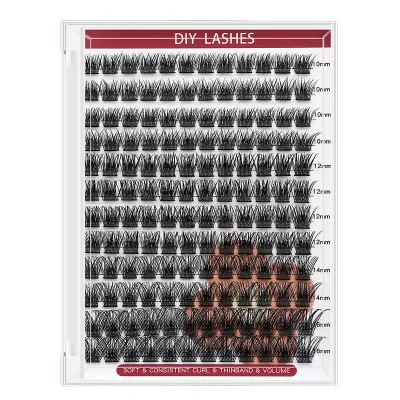


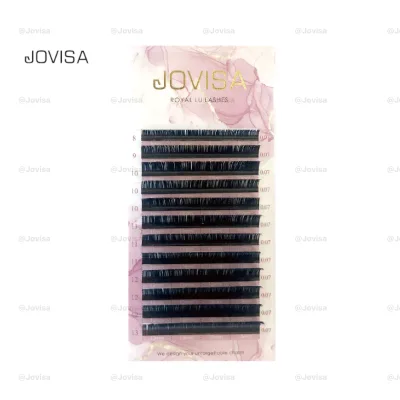
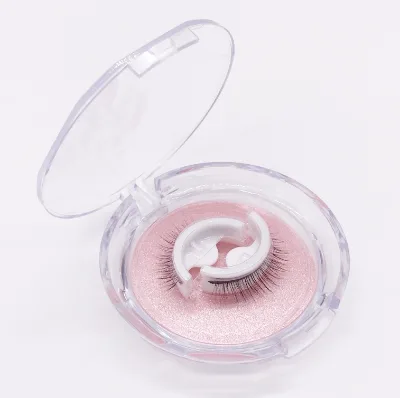
Comprehensive Sourcing Guide
Eco Friendly Non Fur False Eyelashes Sourcing Guide
Procuring eco-friendly false eyelashes requires a nuanced understanding of material alternatives that replace traditional fur while maintaining aesthetic appeal and performance. Buyers must navigate a market where "non-fur" encompasses synthetic fibers, plant-based grafts, and other innovative textiles designed to reduce environmental impact. The core challenge lies in verifying that these materials meet both sustainability claims and the functional requirements of cosmetic application, such as flexibility, durability, and comfort against the eyelid.
This guide focuses on evidence-based sourcing strategies for buyers seeking to align their product lines with growing consumer demand for cruelty-free and environmentally conscious beauty products. By examining observed listing signals, technical specifications, and compliance documentation, procurement teams can make informed decisions that mitigate risk and ensure product quality. The following sections provide a structured approach to evaluating suppliers and products in this specialized niche.
Product Scope and Observed Listing Signals
The current market landscape for false eyelashes includes a diverse range of materials, with fur-based options like mink and synthetic fur still prevalent alongside emerging eco-friendly alternatives. Observed listings indicate that manufacturers are increasingly offering customization options, including specific terrier types such as cotton or plastic, which may serve as bases for synthetic or plant-based lash hairs. Buyers should note that while some products are labeled as "non-fur," the actual material composition can vary significantly, ranging from synthetic plastics to more novel materials like feather or plant grafts, requiring careful verification of each product's specific attributes.
Listing signals also reveal a strong emphasis on customization, with many suppliers offering OEM services and tailored packaging solutions to meet brand-specific needs. The observed price range and minimum order quantities (MOQ) suggest a flexible supply chain capable of accommodating both small-scale testing and large-volume production runs. However, buyers must be cautious of vague terminology and ensure that "eco-friendly" claims are substantiated by clear material descriptions and, where possible, third-party verification, rather than relying solely on marketing language presented in product listings.
Technical Specifications to Verify
Technical verification is critical when sourcing non-fur false eyelashes, as the performance and comfort of the product depend heavily on the specific materials and construction methods used. Buyers should prioritize suppliers who provide detailed specifications regarding lash length, thickness, and curvature, as these factors directly impact the final aesthetic and wearability of the product. Additionally, the type of terrier or band material, whether it be plastic, cotton, or other synthetic options, must be evaluated for its compatibility with sensitive eye areas and its ability to hold the lash hairs securely without causing irritation or discomfort during extended wear.
Furthermore, the manufacturing technique, whether hand-made or machine-made, plays a significant role in the quality and consistency of the final product. Hand-made lashes often offer greater precision and natural appearance, while machine-made options may provide more uniformity and cost-efficiency. Buyers should request samples to assess the flexibility of the band, the adhesion strength of the lash hairs, and the overall durability of the product, ensuring that the technical specifications align with the intended use case and customer expectations for comfort and longevity.
Compliance and Safety Documentation
Compliance with safety standards is paramount when sourcing cosmetic products, particularly those intended for use near the eyes. Buyers must ensure that suppliers provide comprehensive documentation verifying that their materials and manufacturing processes adhere to relevant regulatory requirements, such as those set by the FDA, EU Cosmetics Regulation, or other local authorities. This includes verifying that all materials, including adhesives and lash hairs, are free from harmful substances like formaldehyde, latex, or other allergens that could pose health risks to consumers.
In addition to regulatory compliance, buyers should seek out suppliers who have undergone third-party testing and certification processes to validate their safety claims. This may include tests for microbial contamination, heavy metal content, and skin irritation potential. By requiring this documentation, procurement teams can mitigate the risk of product recalls, legal liabilities, and reputational damage associated with non-compliant or unsafe cosmetic products, thereby ensuring a safer and more trustworthy supply chain for their customers.
Cost Drivers and Commercial Terms
The cost of eco-friendly false eyelashes is influenced by several factors, including the type of materials used, the complexity of the manufacturing process, and the level of customization required. Premium materials, such as plant-based grafts or high-quality synthetic fibers, may command higher prices compared to standard synthetic options, reflecting their superior performance and environmental benefits. Additionally, custom packaging, branding, and specialized design features can add to the overall cost, requiring buyers to carefully balance their budget with their desired product attributes and market positioning.
Commercial terms, including minimum order quantities (MOQ), payment terms, and lead times, also play a significant role in the total cost of ownership. Buyers should negotiate favorable terms that align with their inventory management strategies and cash flow requirements, while also considering the potential for volume discounts or long-term partnership benefits. It is essential to clarify all costs upfront, including shipping, duties, and any additional fees, to avoid unexpected expenses and ensure accurate budgeting for the procurement project.
Supplier Qualification and Quality Control
Supplier qualification is a critical step in ensuring the reliability and consistency of the false eyelash supply chain. Buyers should conduct thorough due diligence on potential suppliers, assessing their manufacturing capabilities, quality control processes, and track record in the industry. This may include visiting facilities, reviewing audit reports, and evaluating their ability to meet specific technical and compliance requirements. Suppliers with a proven history of producing high-quality, eco-friendly products are more likely to deliver consistent results and meet the expectations of discerning customers.
Quality control measures should be implemented throughout the production process, from raw material inspection to final product packaging. Buyers should establish clear quality standards and inspection protocols, including random sampling and testing procedures, to verify that products meet specified requirements. By working closely with suppliers to implement robust quality control systems, procurement teams can minimize the risk of defects, ensure product consistency, and maintain high levels of customer satisfaction, thereby protecting the brand's reputation and market position.
Long-Term Procurement Checks
Long-term procurement success depends on continuous monitoring and evaluation of supplier performance and product quality. Buyers should establish key performance indicators (KPIs) to track metrics such as on-time delivery, product defect rates, and customer feedback, using this data to identify areas for improvement and drive ongoing optimization. Regular communication with suppliers, including periodic reviews and feedback sessions, can help strengthen partnerships and address any emerging issues proactively, ensuring a stable and reliable supply chain over time.
Additionally, buyers should stay informed about industry trends, regulatory changes, and emerging technologies that may impact the false eyelash market. This includes monitoring developments in sustainable materials, manufacturing processes, and consumer preferences, allowing procurement teams to adapt their strategies and maintain a competitive edge. By fostering a culture of continuous improvement and innovation, buyers can ensure that their product offerings remain relevant, compliant, and aligned with the evolving needs of their customers and the broader market.
FAQs
What materials are used for eco friendly non fur false eyelashes?
Eco friendly non fur false eyelashes are made from materials like plastic, feather, and cotton. These options avoid animal fur while providing durability. Some products feature hand-made techniques, while others use machine-made processes to ensure consistent quality and design for various applications.
Can I customize the packaging for these false eyelashes?
Yes, customized packaging is available for these false eyelashes. Buyers can choose from plastic cases, magnet boxes with custom logos, or round boxes. The packaging specification allows for one pair or four pairs per case, ensuring the product is protected and presented professionally for retail distribution.
What is the minimum order quantity for these products?
The minimum order quantity varies by product, ranging from one unit to five thousand units. Specific items like certain cosmetic false eyelashes require a minimum of five hundred pieces. Buyers should check individual product specifications to confirm the exact MOQ required for their specific order volume.
How many times can these false eyelashes be reused?
These false eyelashes can be reused up to twenty-five times with proper care. This reusability makes them a cost-effective choice for daily use or festival events. Proper maintenance ensures the lashes retain their shape and quality over multiple applications, providing long-term value to the buyer.
Which sizes are available for these false eyelashes?
Available sizes range from eight to fifteen millimeters, with some options offering customized dimensions. Specific models like ST20# and S25# have defined size ranges such as eight to thirteen millimeters. Buyers can select standard sizes or request custom measurements to meet specific aesthetic requirements for their makeup needs.
Do you offer OEM services for these false eyelashes?
Yes, OEM services are accepted for these false eyelashes. Buyers can request customized logos and specific product models like Plant Graft False Eyelashes. The customization process may require providing a sample, allowing manufacturers to produce unique designs that align with the buyer's brand identity and market positioning.
Where are these false eyelashes manufactured?
These false eyelashes are manufactured in China. The origin is clearly stated for all listed products, ensuring transparency regarding the supply chain. This location supports the production of various materials including plastic, feather, and cotton, meeting international standards for cosmetic accessories and beauty tools.